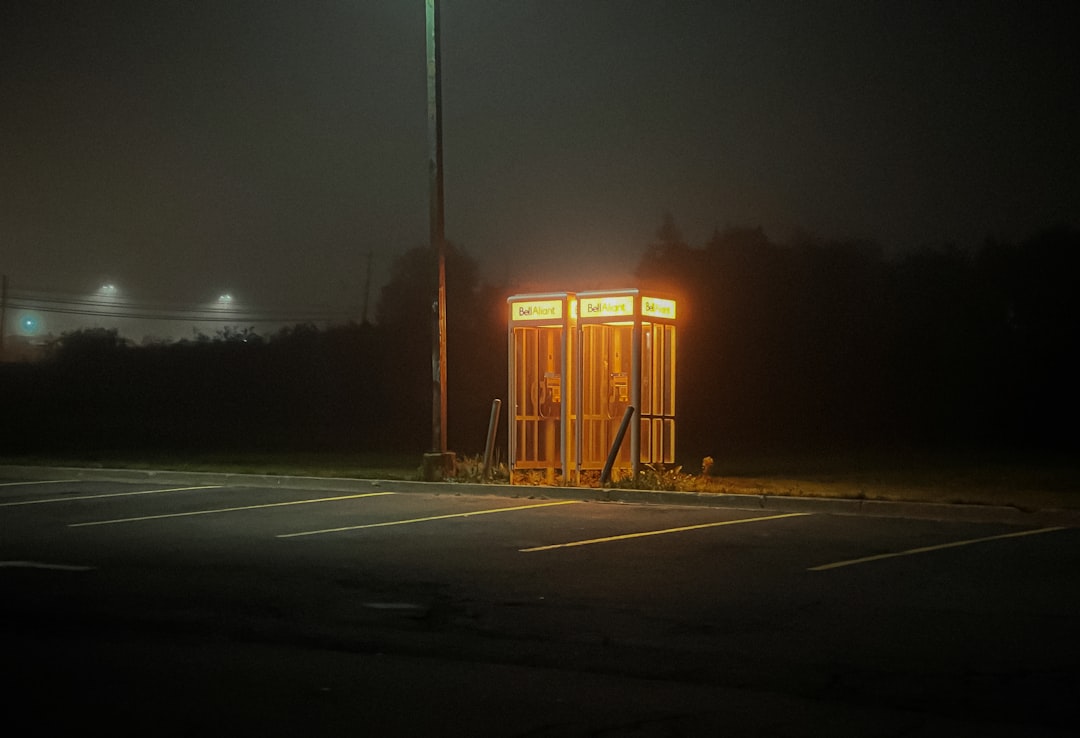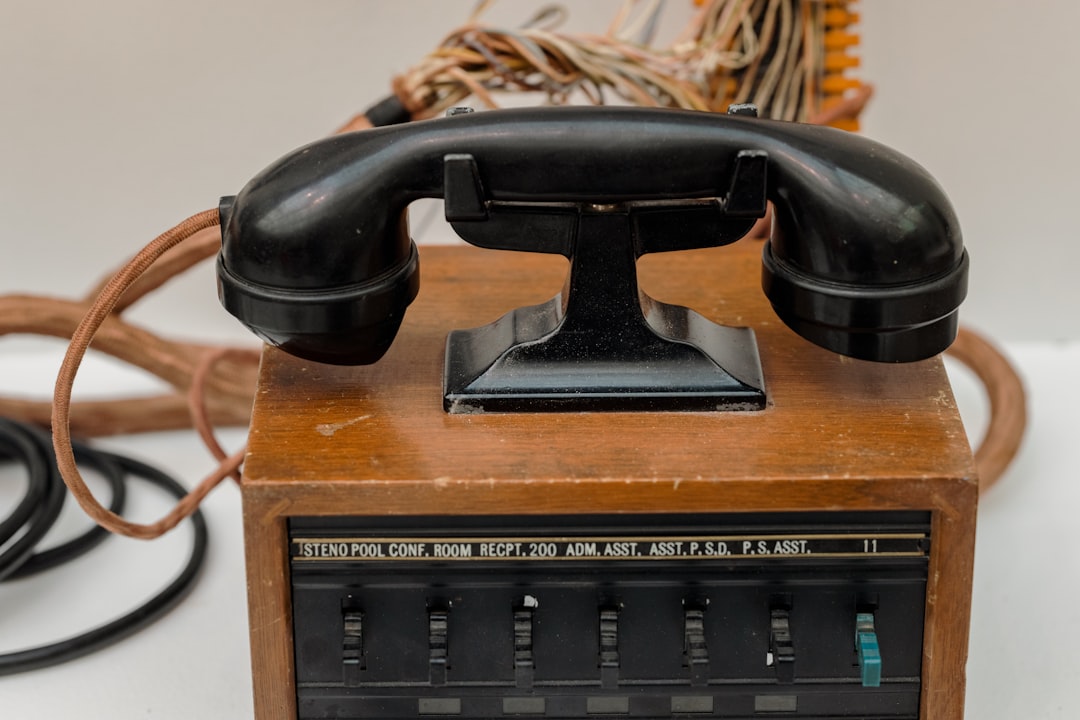
I was in a taproom last week, the kind of place that gets everything right. The beer was exceptional. The place was packed, buzzing with that good kind of energy. On the wall behind the bar, mounted right between two gleaming tap handles, was a beautiful, vintage rotary phone. Brass finish. Classic.
I pointed it out to the owner when he stopped by the table. “I love that phone,” he said, beaming. “Great vibe, right? It’s just for looks.”
Just for looks.
That’s the moment. That’s the whole problem.
Your business has a phone on the counter. It’s your Google Business Profile. It’s your website. It’s your Instagram bio link. It sits there, looking official, looking connected. It promises that if a customer has a question, they can get an answer. If they want to know if you’re open, they can find out. If they need to book a service, the line is open.
But for a staggering number of local businesses, that phone is disconnected. It’s a prop. And when a potential customer picks it up, they hear nothing.
Your online presence isn’t a digital problem. It’s a broken promise at the point of human curiosity.
The customer doesn’t rage. They don’t leave a bad review about the dead line. They simply hang up and call the next number in their search results. You lose the transaction, the relationship, and you never get the feedback that your line was down.
The Dial Tone Test
Here’s a simple, brutal test. Go to your phone right now. Open an incognito browser window. Search for your business name and “open Sunday” or “menu” or “phone number.”
What happens?
* Does your Google listing show the correct hours for today, right now?
* Does the website link actually go to a current menu, or one from two seasons ago?
* Does the phone number ring to a place where a human who can help will answer during those hours?
For the taproom, the Google listing said they closed at 10 PM. They close at midnight on Fridays. A group of six checked Google at 10:15, saw “closed,” and went somewhere else. The owner had no idea. The prop phone on the wall was a perfect metaphor for the prop information online.
The Three Wires You Didn’t Connect
Most businesses have the pieces. They’ve been sold a website, a Google listing, maybe some social media. But nobody connected the wires so the thing actually rings. Here’s where the disconnection almost always happens.
1. The Hours Wire. This is the most common break. Your Google hours are wrong. Your Facebook hours are different. Your website says a third thing. The customer trusts the most prominent source, usually Google. If it says you’re closed, you’re closed to them. Updating this is free, and it takes five minutes. The ROI is infinite. 2. The Menu/Services Wire. Your website has a “Menu” or “Services” page. Is it the real one? For restaurants, is it today’s menu with today’s prices? For a service business, does it list the actual services you offer right now, at the correct rates? An outdated menu isn’t just an inconvenience. It tells the customer you don’t care enough to keep the most basic information current. It makes everything else you say feel unreliable. 3. The Call-to-Action Wire. You have a “Contact Us” page. Does the email go to the owner, or to a general inbox that gets checked once a week? Does the phone number ring to the shop phone during the day, or to a personal cell that’s on silent during a job? The point of contact is the moment of truth. If it fails, nothing else matters.Before the AI, Fix the Phone
There’s a lot of talk about AI writing your website copy or managing your ads. Fine. But AI cannot fix a disconnected line. AI cannot answer the phone when a real person calls.
A competitor might use a simple AI tool to keep their website’s “Hours of Operation” widget synced with their Google listing. That’s smart. It’s a wire they’ve connected. But if their Google listing itself is wrong, the AI is just efficiently broadcasting the wrong information.
The tools aren’t the point. The connection is. Before you spend another dollar on ads, another hour on social media, another thought on an AI chatbot, do this: make sure the fundamental phone line to your business works.
Before: A customer searches “family dinner Saturday 7pm.” Your Google listing says you close at 9. You actually close at 10. They don’t risk it. You lose the table. After: The hours are correct. They see you’re open. They click your website link. The menu is current and loads fast on their phone. They see a clear “Reserve a Table” button that links to your actual reservation system. They book. They come. They spend.The difference isn’t technology. It’s a completed circuit.
Go look at your business online, not as the owner, but as a stranger who needs what you sell. Pick up the phone. Do you hear a dial tone?
If you don’t, that’s the only thing you should work on today. Everything else is just decorating a prop.